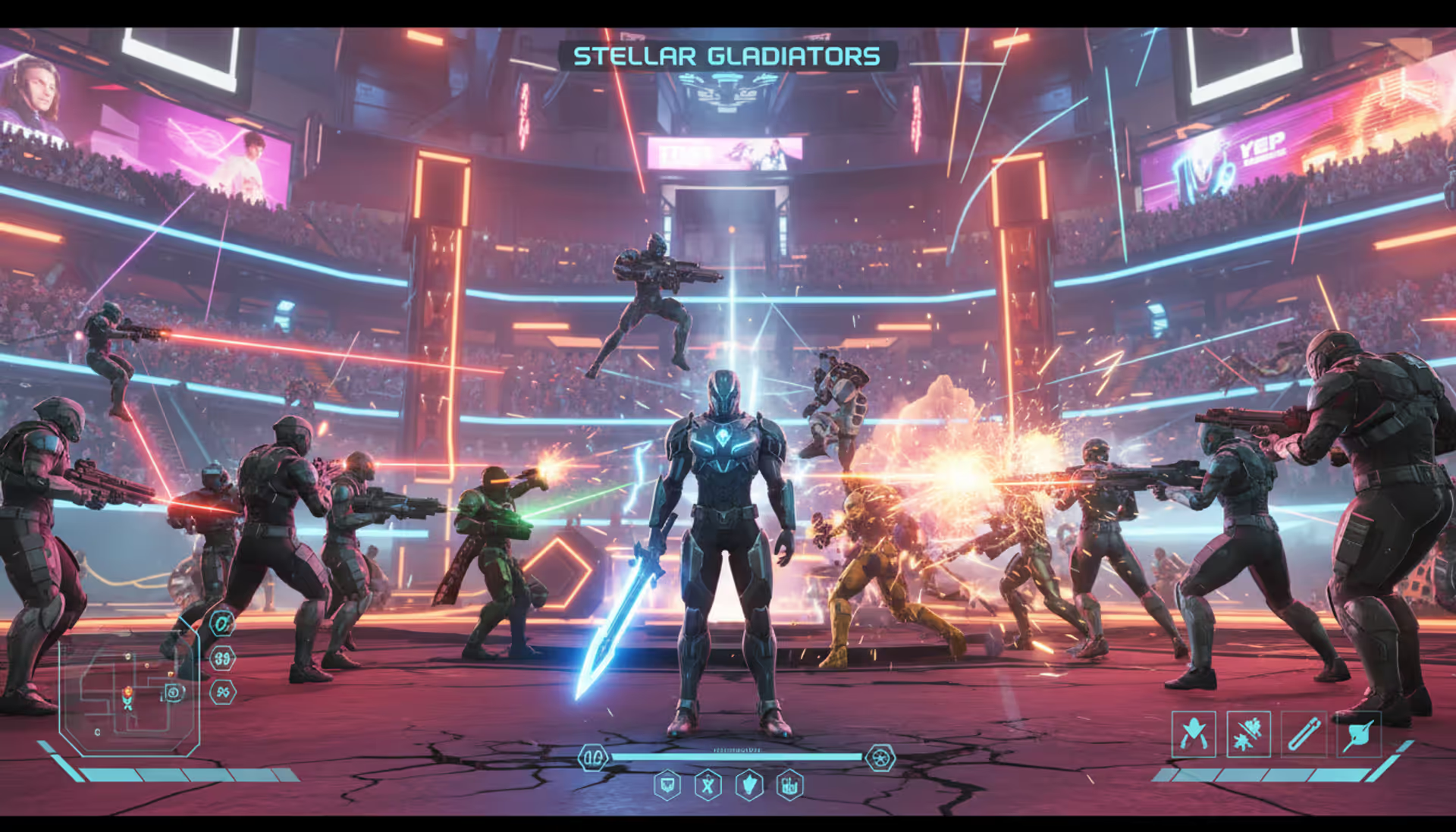
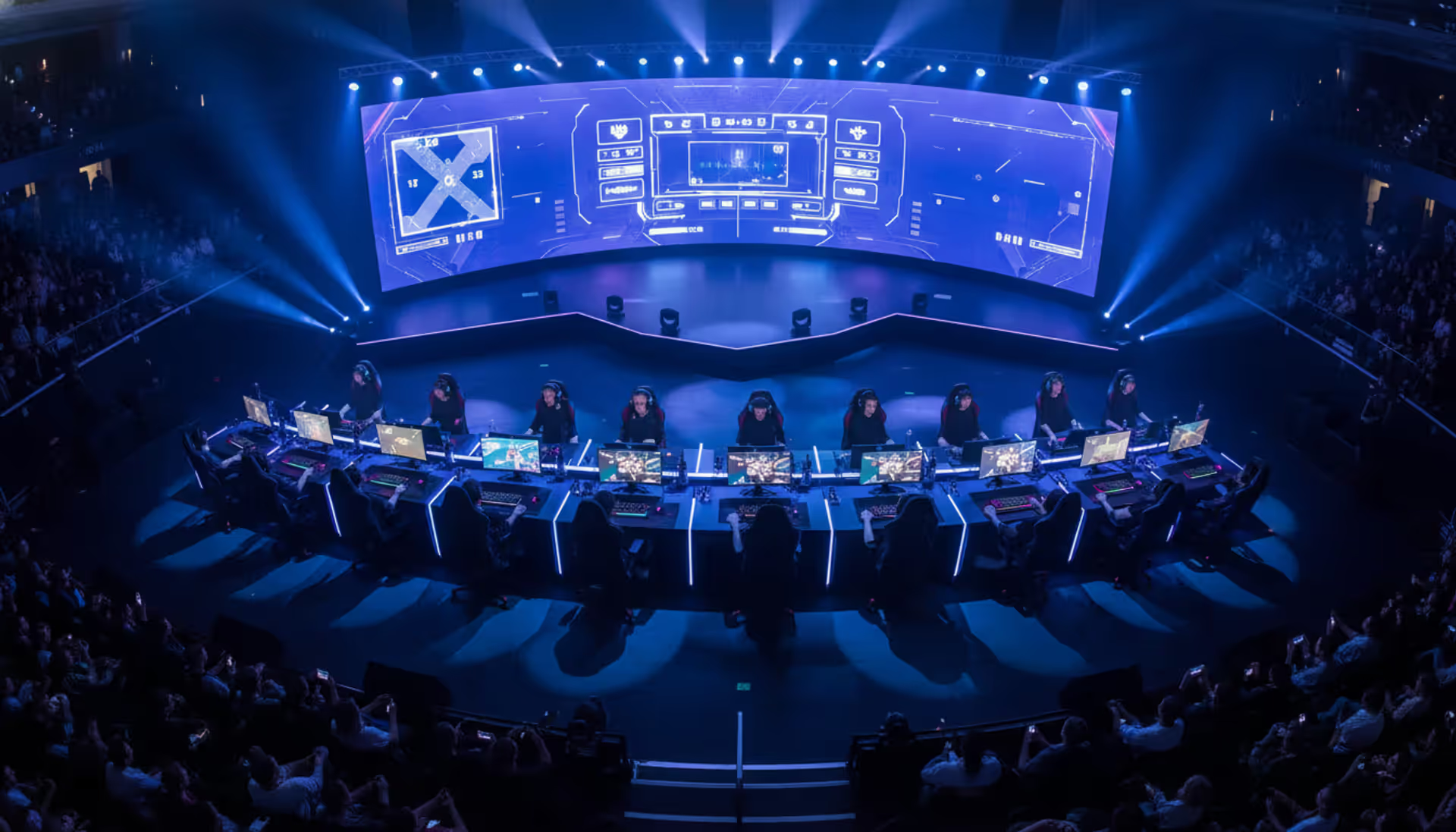
Every July, millions of gamers across the United States pause to recognize a hobby that has grown from basement entertainment into a multi-billion dollar cultural phenomenon. National Video Game Day offers players, developers, and industry professionals a chance to celebrate the medium that has shaped entertainment, technology, and social interaction for generations.
Whether you grew up feeding quarters into arcade machines or discovered gaming through mobile apps, this annual observance brings together communities that span age groups, backgrounds, and skill levels. Understanding when and why we celebrate helps contextualize gaming's journey from niche pastime to mainstream art form.
What Is National Video Game Day
National Video Game Day is an unofficial holiday celebrated annually on July 8 in the United States. The observance recognizes video games as a form of entertainment, art, and cultural expression while honoring the developers, designers, and players who have built the gaming ecosystem.
Unlike official federal holidays, National Video Game Day exists as a grassroots celebration without government designation. Gaming companies, retailers, content creators, and player communities have organically adopted the date as an opportunity to showcase new releases, host special events, and reflect on gaming's impact on society.
The holiday serves multiple purposes: it acknowledges gaming's technological evolution, celebrates the creativity behind game design, and provides a designated moment for the gaming community to connect. Retailers often run promotions on July 8, while streaming platforms see increased activity as players share their favorite titles and memories.
National Video Game Day differs from similar observances in scope and focus. While other gaming holidays emphasize specific aspects of the medium—retro titles, tabletop games, or particular genres—July 8 embraces all forms of video gaming. This inclusive approach has helped the day gain traction across diverse gaming communities, from competitive esports players to casual mobile gamers.
How National Video Game Day Started
The exact origins of National Video Game Day remain somewhat murky, a common characteristic of grassroots internet-era holidays. Unlike officially proclaimed observances, no single organization or individual has definitively claimed credit for establishing July 8 as the date of celebration.
Evidence suggests the holiday emerged organically through online gaming communities in the early 2010s. Social media platforms and gaming forums began referencing National Video Game Day around 2011-2012, with mentions appearing on Twitter, Reddit, and gaming blogs. The date gained momentum as retailers recognized an opportunity to drive sales and as gaming media outlets used it as a news peg for retrospective content.
Author: Megan Crosley;
Source: canelomobile.com
The choice of July 8 lacks a clear historical connection to gaming milestones. No major console launched on this date, nor does it mark the anniversary of a groundbreaking game release. Some speculate the summer timing was strategic—July falls during a slower period for major game releases, allowing the holiday to stand out rather than compete with fall launch schedules. The mid-summer date also coincides with school breaks, when younger gamers have more free time to participate in celebrations.
Since its inception, National Video Game Day has evolved from a niche online observance to a recognized date on marketing calendars. By 2026, major gaming companies regularly acknowledge the day with special announcements, limited-time in-game events, and promotional sales. The holiday's growth mirrors gaming's broader cultural acceptance and economic expansion.
Ways to Celebrate Video Game Day
Celebrating National Video Game Day requires nothing more than playing games you enjoy, but the observance has inspired creative approaches that strengthen community bonds and introduce players to new experiences.
Many gamers use July 8 to revisit titles that shaped their love of the medium. Dusting off a Super Nintendo to play Super Mario World or booting up The Legend of Zelda: Ocarina of Time offers nostalgia while highlighting how game design has evolved. Conversely, trying newly released games on National Video Game Day provides contrast and appreciation for modern innovations in graphics, mechanics, and storytelling.
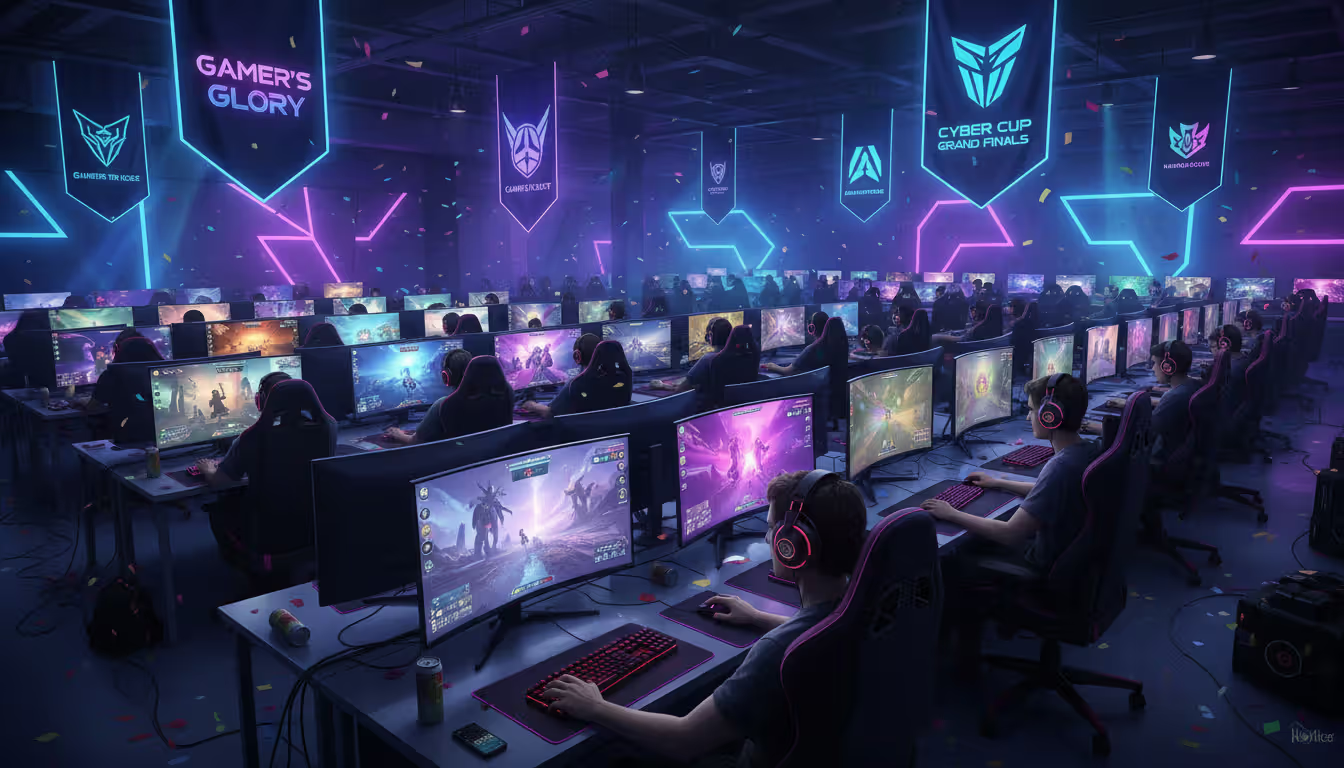
Hosting gaming tournaments or LAN parties transforms solitary play into social events. Friends gathering for Super Smash Bros. competitions, Mario Kart championships, or cooperative Minecraft building sessions embody gaming's community spirit. Local gaming cafés and esports venues often organize special July 8 tournaments with prizes and themed activities.
Streaming platforms see heightened activity as content creators marathon their favorite games, host viewer challenges, or showcase obscure titles. Participating in these streams—whether as a broadcaster or viewer—connects you to the broader gaming community. Many streamers use National Video Game Day to raise money for charities, combining entertainment with philanthropy.
Author: Megan Crosley;
Source: canelomobile.com
Physical celebrations matter too. Visiting local arcades preserves gaming's coin-operated heritage, while gaming museums like The Strong National Museum of Play in Rochester, New York, or the Museum of Pop Culture in Seattle offer historical context and interactive exhibits. Some cities host outdoor gaming events in parks, setting up large screens and consoles for public play.
Social media participation amplifies the celebration. Sharing screenshots of favorite gaming moments, posting photos of game collections, or using hashtags like #NationalVideoGameDay connects individual players to millions of others marking the occasion. These digital conversations often surface forgotten gems and introduce players to communities centered around specific titles or genres.
Gaming Community Events and Meetups
Organized events give structure to National Video Game Day celebrations while fostering connections among local and global gaming communities.
Gaming stores and hobby shops frequently host July 8 meetups featuring tournaments, demos of upcoming releases, and opportunities to trade games or collectibles. These gatherings attract players who might otherwise game alone, building local networks around shared interests.
Online tournaments have become increasingly sophisticated. Gaming platforms and tournament organizers schedule special National Video Game Day competitions across genres—fighting games, battle royales, sports simulations, and strategy titles. Prize pools range from bragging rights to substantial cash awards, with skill-based matchmaking ensuring accessibility for various experience levels.
Charity gaming marathons represent the holiday's philanthropic dimension. Organizations like Extra Life and Games Done Quick have inspired countless gamers to stream marathon sessions on July 8, soliciting donations for children's hospitals and other causes. These events demonstrate gaming's capacity for positive social impact while celebrating the medium.
Author: Megan Crosley;
Source: canelomobile.com
Other Video Game Awareness Days Throughout the Year
National Video Game Day shares the calendar with several other gaming observances, each highlighting different aspects of interactive entertainment.
World Video Game Day, celebrated on September 12, predates the July observance and carries a more international focus. While National Video Game Day emerged from American online communities, World Video Game Day was established to recognize gaming's global reach and cultural diversity. The September date coincides with the start of fall release schedules, when major titles typically launch ahead of the holiday shopping season.
Retro Gaming Day on September 20 specifically honors classic games and vintage hardware. Enthusiasts celebrate by playing titles from the 8-bit, 16-bit, and early 3D eras, discussing preservation efforts, and sharing memories of gaming's formative decades. The observance highlights concerns about game preservation as older titles become increasingly difficult to access.
International Tabletop Day, typically held in late April, extends gaming celebration beyond digital formats. Board games, card games, and tabletop role-playing games receive recognition for their social dynamics and strategic depth. The observance reminds us that "gaming" encompasses more than screens and controllers.
Holiday Name
Date
Origin/Year Started
Primary Focus
Typical Activities
National Video Game Day
July 8
~2011 (grassroots)
All video games
Playing games, streaming, tournaments
World Video Game Day
September 12
~2008 (international)
Global gaming culture
Cultural events, international tournaments
Retro Gaming Day
September 20
~2015
Classic/vintage games
Playing old titles, preservation discussions
International Tabletop Day
Late April
2013 (official)
Board/card/RPG games
Game store events, group play sessions
Free RPG Day
Third Saturday in June
2007
Role-playing games
Free quickstart guides, demos at shops
These various observances reflect gaming's diversity. Rather than competing, they complement each other by spotlighting different gaming traditions and communities throughout the year.
Gaming Milestones Celebrated on Video Game Day
National Video Game Day provides an annual checkpoint for reflecting on industry achievements, technological breakthroughs, and cultural moments that have defined gaming's evolution.
Author: Megan Crosley;
Source: canelomobile.com
Industry achievements commemorated on July 8 include sales milestones, such as when major franchises surpass 100 million units sold, or when independent studios achieve breakout success. The day also recognizes technological innovations—the introduction of ray tracing in consumer graphics cards, advancements in virtual reality immersion, or breakthroughs in cloud gaming infrastructure that make high-end titles accessible without expensive hardware.
Iconic game releases receive retrospective attention during National Video Game Day celebrations. Anniversaries of landmark titles like The Legend of Zelda: Breath of the Wild (2017), The Last of Us (2013), Half-Life 2 (2004), or Super Mario 64 (1996) prompt discussions about their lasting influence on game design, storytelling, and player expectations. Gaming media outlets often publish "where are they now" retrospectives examining how these titles have aged and what modern games have learned from them.
Hall of Fame recognitions and tributes honor individuals who shaped the industry. The World Video Game Hall of Fame inducts influential titles annually, while organizations like the Academy of Interactive Arts & Sciences recognize developers, composers, and voice actors who have elevated gaming as an art form. National Video Game Day amplifies these tributes, ensuring broader audiences learn about the creators behind their favorite experiences.
Video games are meant to be just one thing. Fun. Fun for everyone
— Shigeru Miyamoto
The observance also acknowledges gaming's social impact. Discussions on July 8 increasingly address accessibility improvements that allow players with disabilities to enjoy gaming, educational applications that use game mechanics to teach complex subjects, and therapeutic uses of gaming for mental health support and physical rehabilitation.
Frequently Asked Questions About National Video Game Day
When is National Video Game Day celebrated?
National Video Game Day occurs annually on July 8. The date remains consistent each year, falling mid-summer when many students have school breaks and gaming activity typically increases. Mark your calendar for July 8, 2026, to participate in this year's celebrations.
Is National Video Game Day the same as World Video Game Day?
No, these are separate observances. National Video Game Day falls on July 8 and originated in the United States through online communities. World Video Game Day occurs on September 12 and emphasizes gaming's international cultural impact. Both celebrate video games but have different origins, dates, and geographic emphases.
How can I participate in National Video Game Day?
Participation requires only playing games you enjoy. Beyond that, consider streaming your gameplay, joining online tournaments, visiting local gaming venues, sharing gaming memories on social media, or introducing friends to your favorite titles. Many retailers offer special sales, and gaming platforms host limited-time in-game events specifically for July 8.
Are there official events for National Video Game Day?
While National Video Game Day lacks official government recognition, many gaming companies, retailers, and community organizations host events. Check with local gaming stores, esports venues, and streaming platforms for organized tournaments, meetups, and special promotions. Online communities on Discord, Reddit, and social media often coordinate virtual celebrations.
What video games are most popular to play on this day?
Popular choices span genres and eras. Many players revisit childhood favorites like Super Mario Bros., Pokémon, or The Legend of Zelda series. Multiplayer titles such as Fortnite, Call of Duty, and Among Us see activity spikes as friends coordinate group sessions. Ultimately, the "best" game for National Video Game Day is whichever title brings you joy—whether that's a AAA blockbuster or an obscure indie gem.
Can businesses participate in National Video Game Day?
Absolutely. Gaming retailers, restaurants, bars with gaming setups, and entertainment venues often host July 8 promotions and events. Non-gaming businesses can participate by organizing employee gaming tournaments, offering themed promotions, or partnering with local gaming communities for charity events. The holiday's informal nature makes it accessible for creative business participation.
National Video Game Day has grown from an obscure online mention into a widely recognized celebration that brings together gaming's diverse communities. Every July 8, players across the United States—and increasingly worldwide—take time to appreciate a medium that has evolved from simple pixels to immersive virtual worlds.
The holiday succeeds because it requires no special equipment, membership, or skill level. Whether you're a competitive esports athlete or someone who plays mobile puzzle games during your commute, National Video Game Day welcomes your participation. The observance reminds us that gaming's true value lies not in graphics capabilities or sales figures, but in the connections formed and experiences shared.
As gaming continues evolving with cloud technology, virtual reality advancements, and artificial intelligence integration, National Video Game Day provides an annual moment to pause and reflect. It's a chance to honor the developers who pour creativity into their work, acknowledge the communities that form around shared gaming experiences, and recognize how profoundly video games have influenced modern culture.
Mark your calendar for July 8, 2026. Dust off that classic console, download a new title you've been curious about, or simply spend time with friends enjoying the games that have shaped your life. National Video Game Day belongs to everyone who has ever picked up a controller, tapped a screen, or clicked a mouse to enter a virtual world.
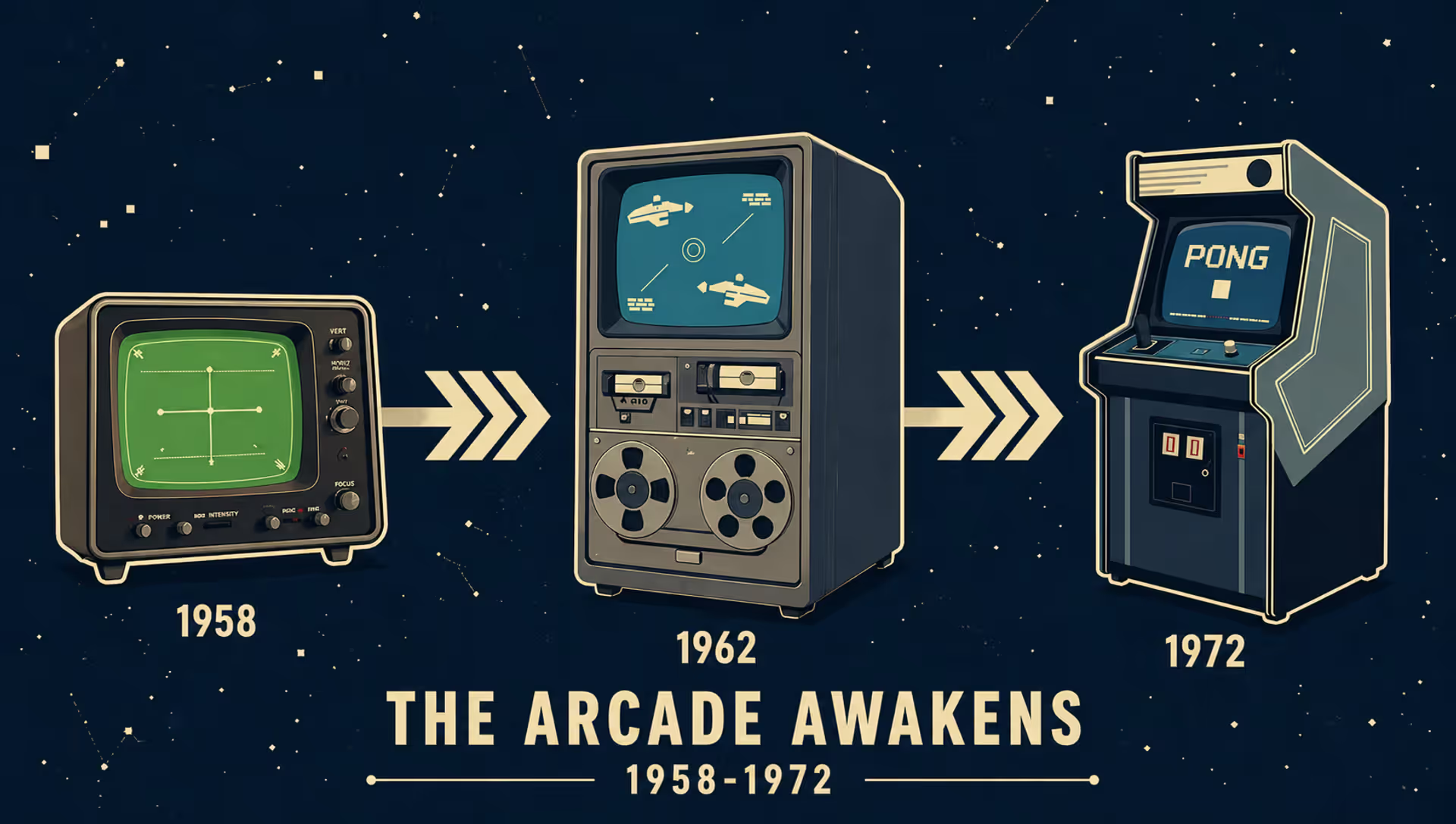
The first video game's creation date depends on your definition. Tennis for Two appeared in 1958, Spacewar! in 1962, and Pong in 1972. Each milestone contributed essential innovations that shaped the gaming industry we know today
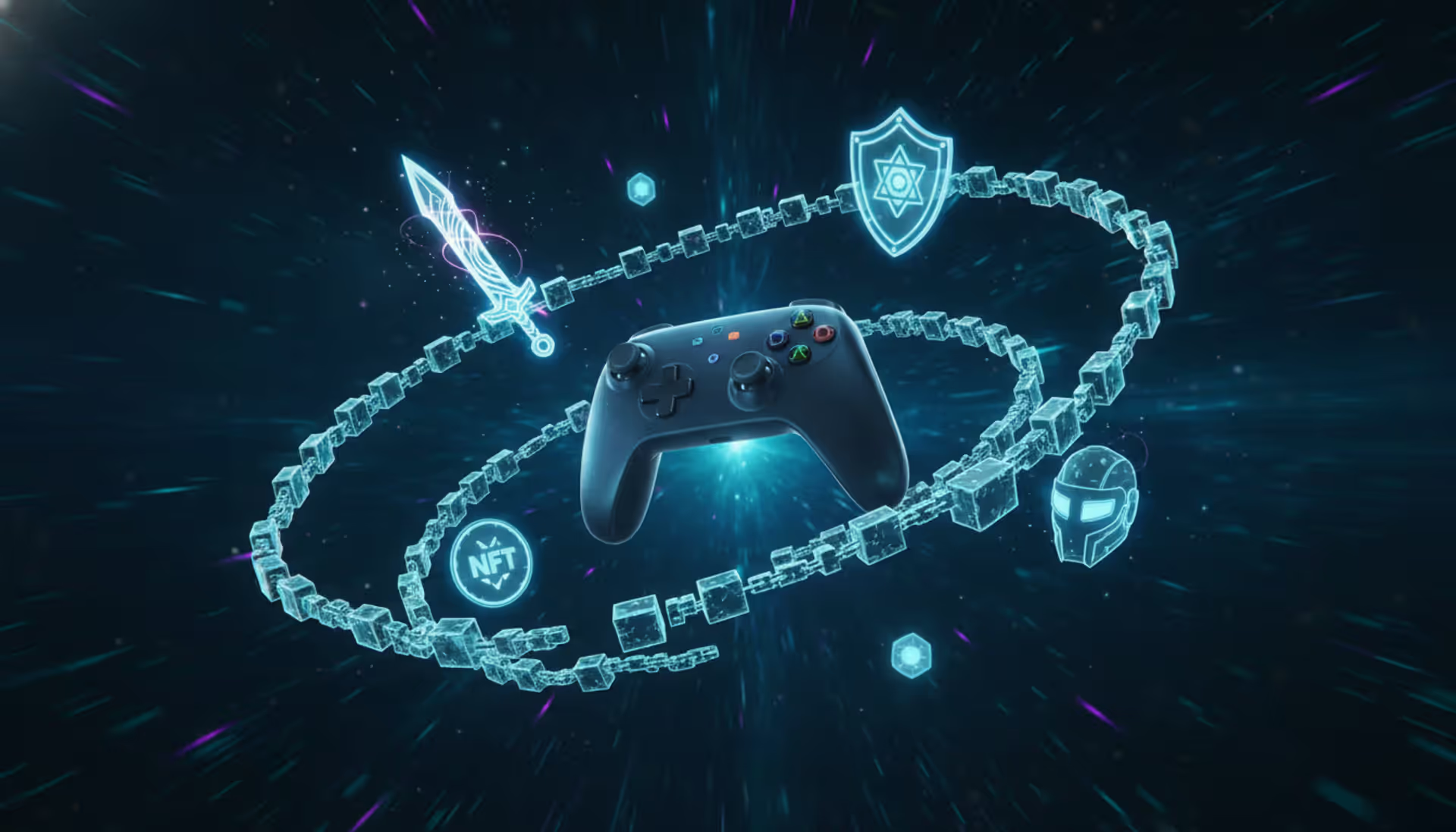
Crypto gaming merges blockchain with video games, letting players own assets as NFTs and earn cryptocurrency. Learn how blockchain technology powers games, the rise and fall of play-to-earn, types of crypto games, pros and cons, and whether they're worth your time in 2026
AFK stands for Away From Keyboard—a gaming term indicating a player has stepped away from their device. Understanding AFK meaning in games helps you avoid penalties, respect teammates, and navigate multiplayer etiquette across MOBAs, FPS games, and MMOs
Meta refers to the most effective strategies, characters, and tactics dominating competitive play. Understanding gaming meta isn't just jargon—it's the invisible rulebook shaping how millions play, compete, and win across League of Legends, Valorant, Overwatch, and other competitive titles
The content on this website is provided for general informational and educational purposes only. It is intended to explain concepts related to video games, gaming guides, builds, mobile gaming, multiplayer strategies, and gaming history.
All information on this website, including articles, guides, and examples, is presented for general educational and entertainment purposes. Gameplay outcomes, strategies, and performance may vary depending on player skill, game updates, and platform.
This website does not provide professional advice or guarantee game outcomes, and the information presented should not be used as a substitute for official game documentation or developer guidance.
The website and its authors are not responsible for any errors or omissions, or for any outcomes resulting from decisions made based on the information provided on this website.