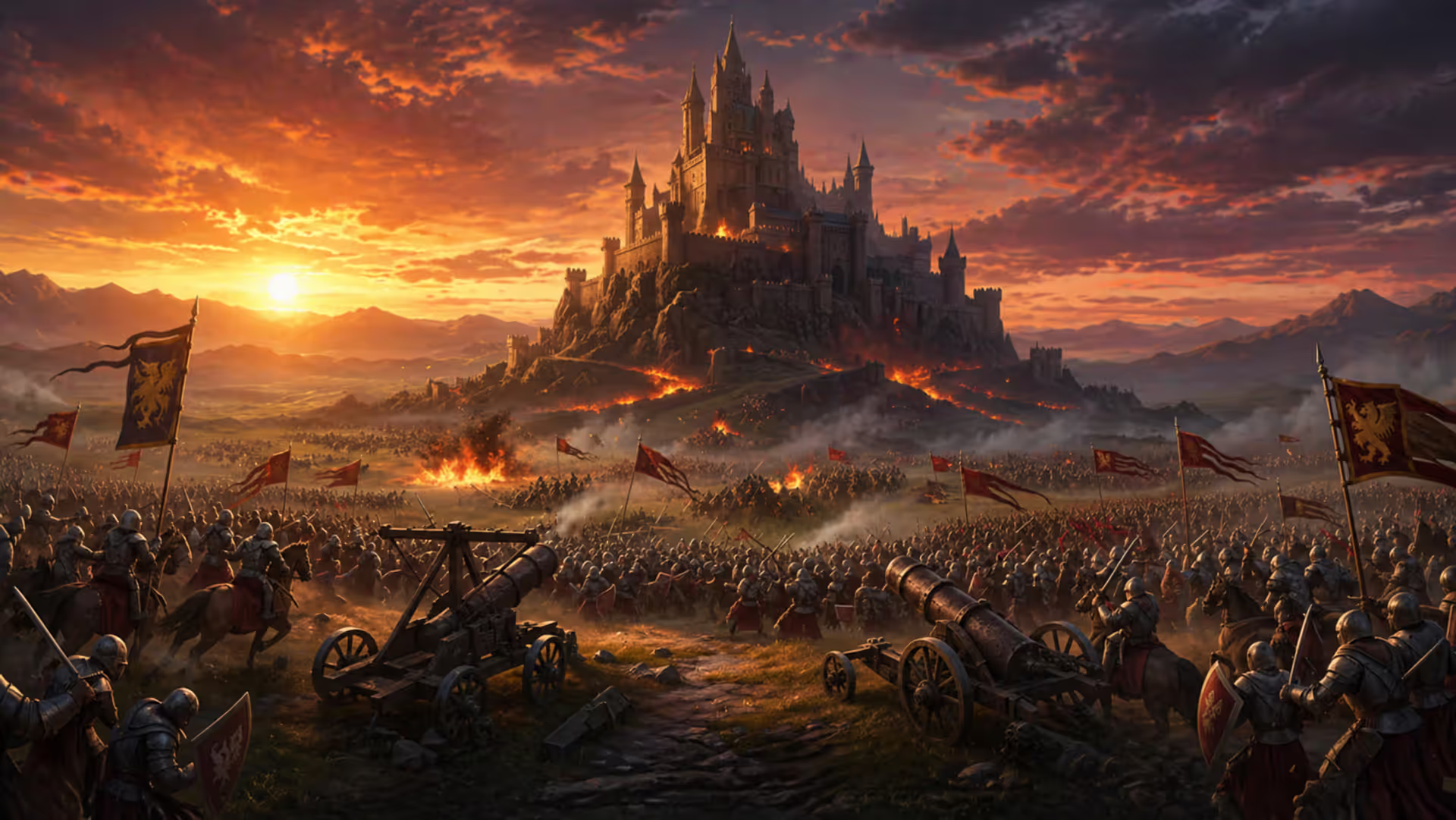
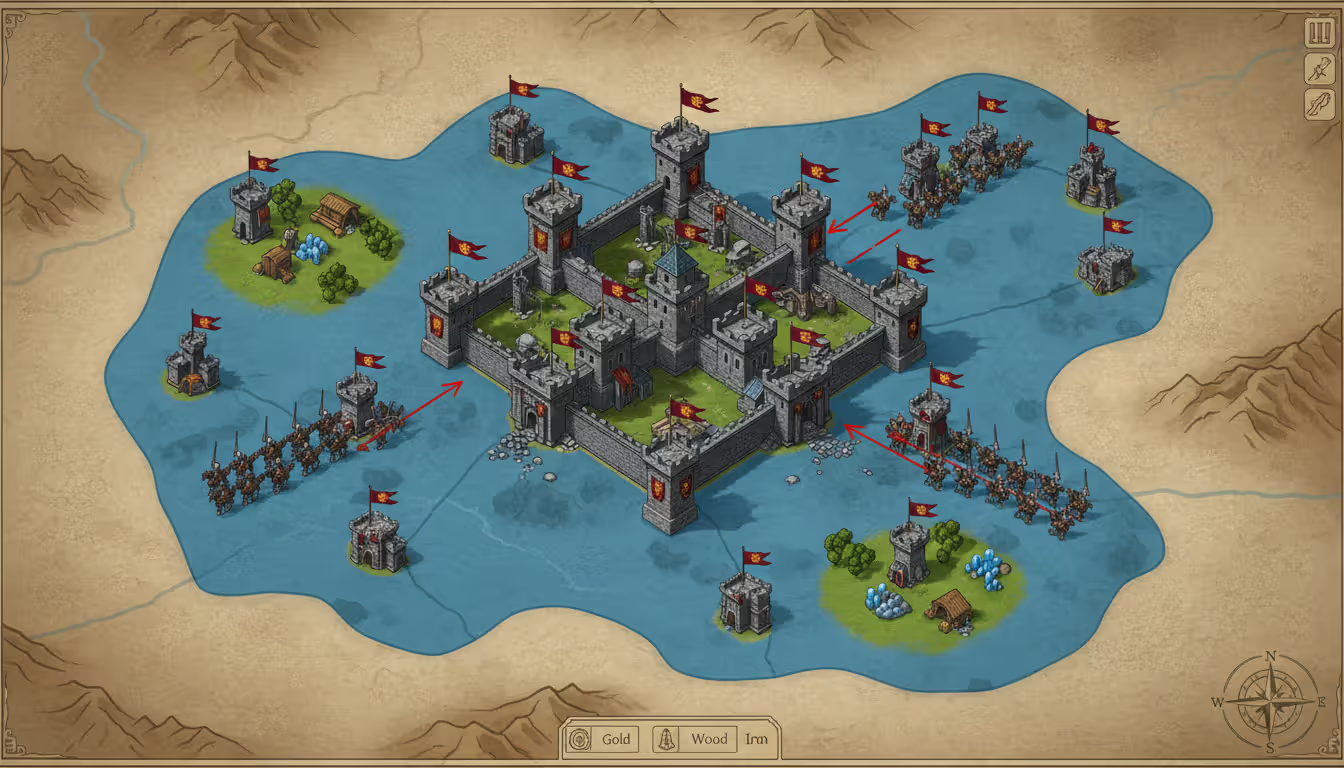
Epic fantasy castle on a hill surrounded by diverse armies including infantry cavalry and archers at sunset with alliance banners and siege weapons in the foreground
Total Battle is a mobile and browser-based strategy game that combines city-building, real-time combat, and alliance warfare in a persistent online world. Unlike many competitors that focus purely on medieval or modern settings, Total Battle spans multiple historical eras—from ancient civilizations through fantasy elements—giving players access to diverse unit types and technologies as they progress.
The core gameplay loop revolves around building and upgrading your castle, training armies, gathering resources from the world map, and either defending your territory or raiding other players. What sets this game apart is its emphasis on timed progression: nearly every action requires waiting, which creates strategic decisions about where to invest speedups and which upgrades deliver the most immediate value. Players who understand the interconnected systems—troop counters, hero synergies, alliance benefits, and economic balance—advance faster than those who simply follow tutorial prompts.
The game operates on a server-based system where thousands of players share the same map. Your decisions matter because resources are finite, territory is contested, and alliances control key strategic points. Whether you're defending against a midnight raid or coordinating a multi-player siege, Total Battle rewards both individual skill and cooperative strategy.
What Is Total Battle and How Does It Work
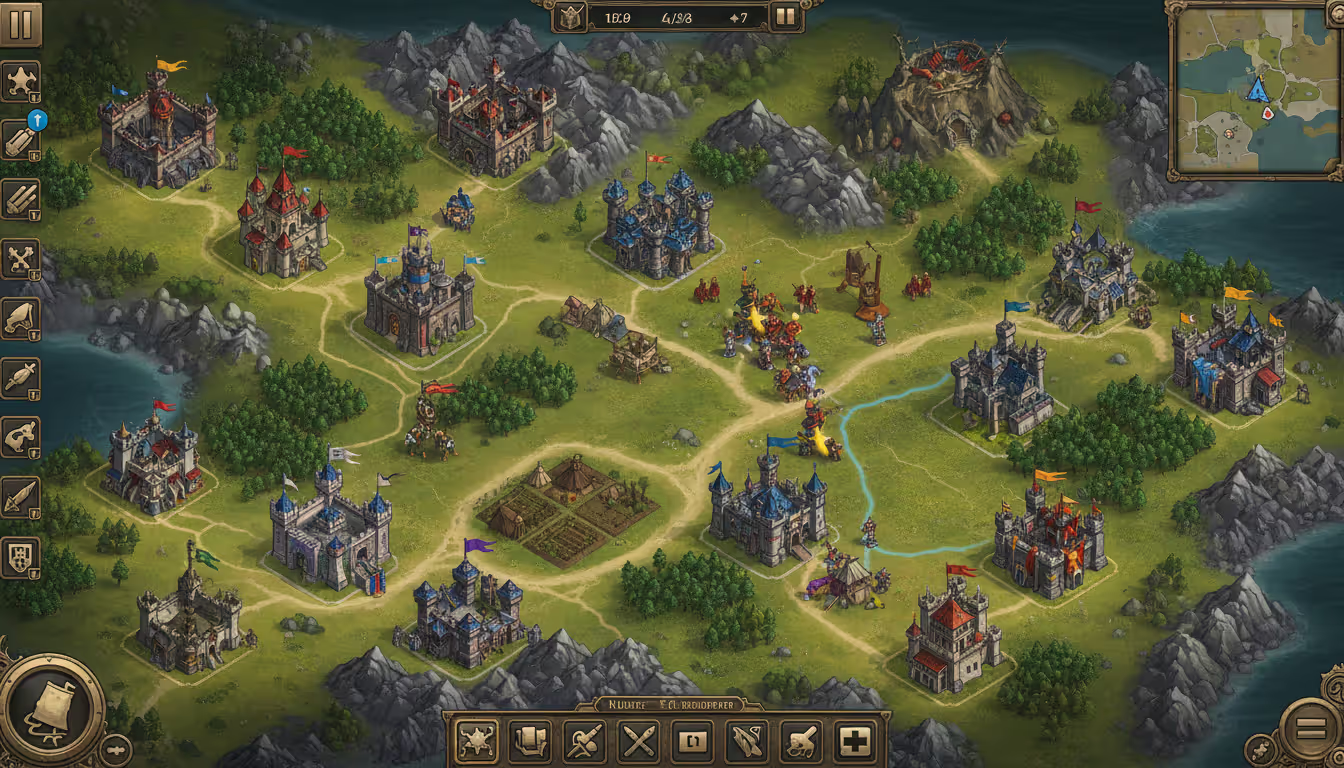
Total Battle belongs to the 4X strategy genre (explore, expand, exploit, exterminate) with heavy MMO elements. You start with a small castle and basic troops, then expand by upgrading buildings, researching technologies, and training increasingly powerful units. The game world is a shared map where you can see other players' castles, resource nodes, and monster camps.
Progression happens across several parallel tracks. Your castle level determines which buildings and units you can unlock. Research in the Academy provides passive bonuses to combat, economy, and construction speed. Heroes add another layer, offering unique skills that buff your armies or accelerate production. All three systems must advance together—neglecting any one creates bottlenecks.
The game monetizes through speedups, resource packs, and premium heroes, but free players remain competitive if they play consistently and make smart choices. The key difference from games like Rise of Kingdoms or Lords Mobile is Total Battle's era system: as you advance through ages, you unlock entirely new troop tiers rather than just upgrading existing ones. This creates natural power spikes and makes timing your progression important.
Combat happens automatically when your army reaches a target, with outcomes determined by troop numbers, types, hero bonuses, and research levels. You don't control units during battle, so success depends entirely on preparation—sending the right composition with appropriate counters. Scouting enemy castles before attacking is essential; blindly sending troops often results in costly losses.
Author: Tyler Vance;
Source: canelomobile.com
Understanding Troop Types and Combat Mechanics
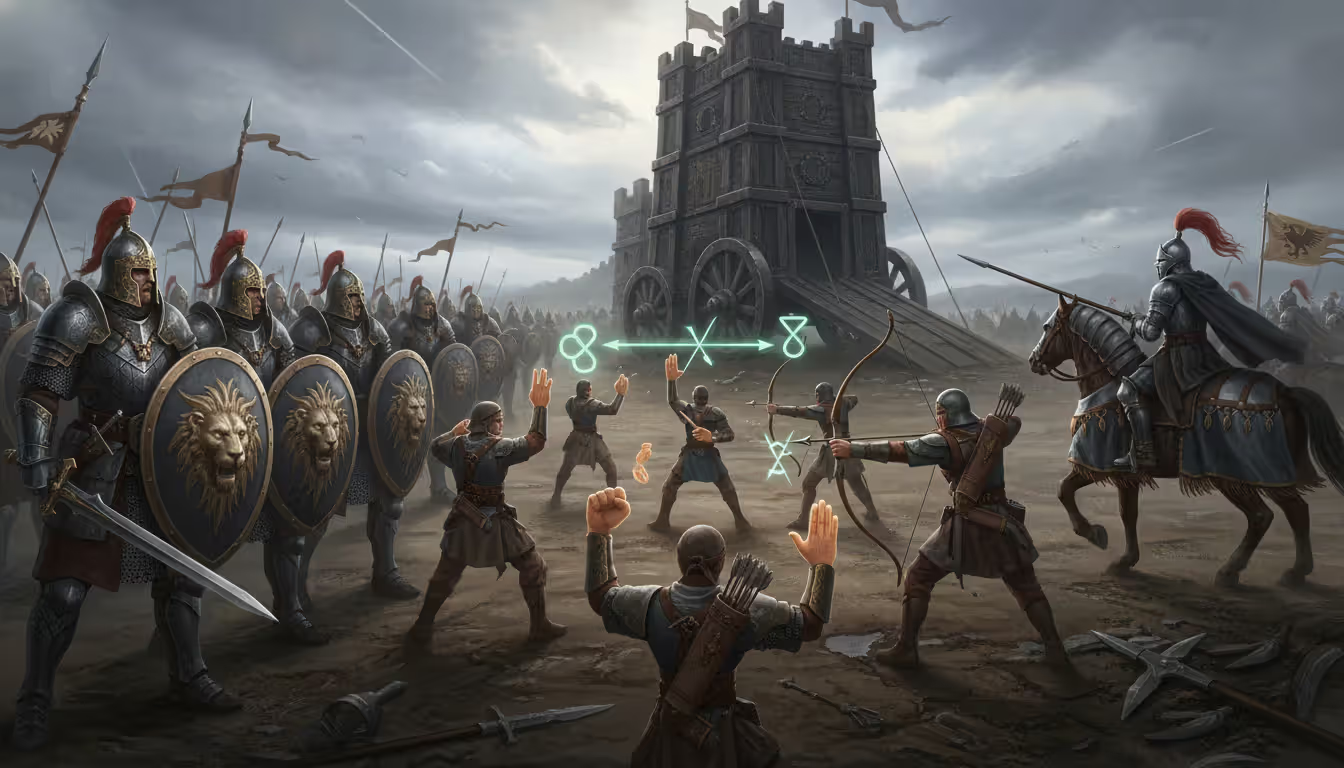
Total Battle features four primary troop categories, each with distinct roles in combat. Infantry serves as your frontline, absorbing damage and countering cavalry. Cavalry excels at rapid strikes and counters ranged units. Ranged troops deal consistent damage from behind your frontline and counter infantry. Siege units are specialized for attacking buildings and walls but perform poorly against other troops.
The combat system uses a rock-paper-scissors counter mechanism. Infantry beats cavalry by roughly 30% damage bonus, cavalry beats ranged, and ranged beats infantry. Siege units take increased damage from all combat troops but are necessary for breaking through fortified defenses during castle attacks. Understanding these relationships transforms mediocre players into effective raiders.
Battles calculate damage based on several factors: base troop stats, research bonuses, hero skills, and numerical advantage. A smaller force with the right composition and strong hero support can defeat a larger mixed army. For example, if you scout an enemy with mostly infantry, sending a cavalry-heavy force gives you the counter advantage even if slightly outnumbered.
Troop tier matters significantly. A tier-4 infantry unit outperforms tier-2 cavalry despite the type disadvantage, so rushing higher tiers through focused research pays dividends. However, higher-tier troops cost more resources and take longer to train, creating a trade-off between army size and quality.
Troop Type
Strengths
Weaknesses
Resource Cost
Best Use Case
Infantry
High defense, counters cavalry
Vulnerable to ranged
Moderate food, low iron
Frontline defense, garrison duty
Cavalry
High speed, counters ranged
Weak against infantry
High food, moderate iron
Quick raids, reinforcements
Ranged
Strong vs. infantry, good damage
Countered by cavalry
Low food, high wood
Backline damage, balanced armies
Siege
Destroys fortifications
Terrible vs. troops
High iron and stone
Castle attacks only
How to Counter Enemy Troop Compositions
Effective countering starts with intelligence. Always scout before attacking—the small resource cost saves you from sending the wrong army composition. If a scout reveals an enemy has 60% cavalry and 40% ranged, send an infantry-heavy force with some cavalry to clean up the ranged units.
When defending, keep a balanced garrison rather than specializing. Attackers choose when and how to strike, so having all three combat types in your castle forces them to either bring a balanced army (reducing their counter advantage) or risk partial losses. A common mistake is training only one troop type because it's easier to manage—this makes you an easy target for anyone who scouts first.
Hero selection amplifies your counter strategy. Some heroes provide percentage bonuses to specific troop types, while others offer debuffs to enemies. Pairing a cavalry-focused hero with a cavalry-heavy army when attacking a ranged-heavy target creates a devastating combination. Similarly, defensive heroes with infantry bonuses make your castle significantly harder to crack.
Against siege-heavy attacks aimed at your walls, garrison troops don't matter as much as your wall's defense rating and any defensive structures like archer towers. Prioritize wall upgrades and defensive research if you're in an active PvP server. However, if you're being farmed repeatedly, sometimes the best counter is joining a stronger alliance or activating a peace shield rather than losing troops in futile defenses.
Resource Management and Economy Basics
Total Battle's economy revolves around four primary resources: food, wood, iron, and stone. Food trains and maintains troops, wood constructs and upgrades buildings, iron produces military units and equipment, and stone builds fortifications. Each resource generates passively from dedicated buildings (farms, lumber mills, mines, quarries) and can be gathered from nodes on the world map.
Production buildings should be upgraded in balance with your castle level. A common beginner mistake is maxing out one resource type while neglecting others, creating bottlenecks when you need large quantities of the lagging resource. As a rule of thumb, keep all resource buildings within two levels of each other, prioritizing food and iron slightly higher since troops consume both.
Storage capacity limits how much you can accumulate, and excess resources become vulnerable to raids. Upgrade warehouses regularly, but understand that any resources exceeding your protected capacity can be stolen when attacked. Experienced players time their upgrades to consume resources before logging off, minimizing what raiders can take.
Gathering from the map provides significant supplemental resources but requires sending troops away from your castle, leaving you vulnerable. Send gathering armies during active play hours when you can recall them if attacked. Use cavalry for gathering when possible—their speed means faster round trips and less exposure time. Never send your entire army gathering; keep a defensive force home.
Resource management becomes more complex as your castle grows. Higher-level upgrades consume millions of each resource, requiring days of production or multiple gathering trips. This is where alliance help becomes valuable—alliance members can send resource gifts or help reduce construction timers. Smart players stockpile resources during peaceful periods and spend them rapidly during growth spurts, minimizing the window where they're raid-worthy targets.
Author: Tyler Vance;
Source: canelomobile.com
Hero System and Character Progression
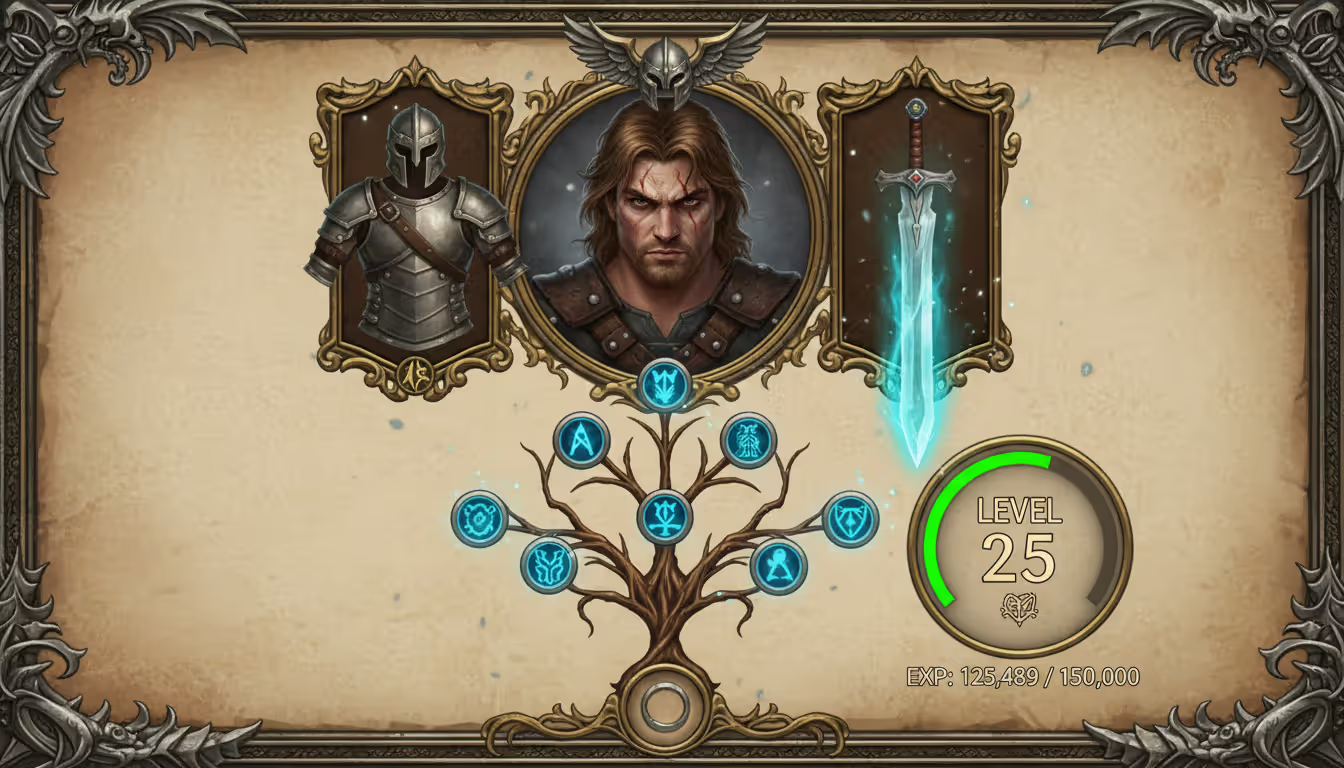
Heroes in Total Battle function as force multipliers for your armies and economy. Each hero has unique skills that provide percentage bonuses to specific activities—combat effectiveness, construction speed, research speed, or resource production. You acquire heroes through recruitment events, in-game currency, or premium purchases, with rarity tiers (common through legendary) determining their maximum potential.
Leveling heroes requires experience gained from combat or special training items. As heroes level up, you unlock skill points to invest in their ability trees. Early game, focus on one or two versatile heroes rather than spreading resources across many. A single well-developed combat hero provides more value than three under-leveled ones.
Hero equipment adds another progression layer. Gear drops from monster camps and dungeon-style PvE content, with quality ranging from common to legendary. Equipping a full set of gear that matches your hero's role—combat, gathering, or development—creates significant bonuses. For example, a gathering hero with full gathering gear can collect 40-50% more resources per trip than without equipment.
Which heroes to prioritize depends on your playstyle. New players should develop a strong combat hero first to clear PvE content and defend effectively. Your second hero should focus on construction or research speed to accelerate base development. Gathering heroes become important once you're actively farming map resources. Avoid investing heavily in niche heroes until your core roster is solid.
Hero skills reset periodically or through special items, allowing you to respec as your needs change. Early game, construction bonuses matter most. Mid-game, shift toward combat and research. Late game, specialized heroes for specific troop types or tactical situations become optimal. This flexibility means hero investments aren't permanent mistakes—you can adapt as your strategy evolves.
Author: Tyler Vance;
Source: canelomobile.com
How to Build and Use Alliances Effectively
Alliances are Total Battle's social and strategic backbone. Joining an active alliance provides construction help (reducing build times by up to 30%), resource sharing, defensive reinforcements, and access to alliance technologies that boost all members. Solo play is possible but significantly slower and more vulnerable to coordinated attacks.
When choosing an alliance, look beyond member count. An alliance with 50 active daily players outperforms one with 100 mostly-inactive members. Check the alliance's territory holdings on the map—controlling resource-rich areas and strategic structures indicates strength and organization. Read the alliance description and requirements; serious alliances expect participation in events and wars, while casual ones offer more flexibility.
Alliance wars and territory control create the game's most engaging content. Alliances compete for control of fortresses, resource zones, and special structures that provide server-wide bonuses. These events require coordination—designated rally leaders organize attacks, and members must respond to reinforcement requests quickly. Being online during your alliance's active hours matters more than total playtime.
The donation system allows members to request specific resources or speedups, which others fulfill for alliance points. These points unlock personal rewards and contribute to alliance-wide technologies. Donate regularly even if the amounts seem small—consistent participation builds goodwill and unlocks better rewards. However, don't donate resources you critically need for your own upgrades unless you're in surplus.
Communication separates functional alliances from great ones. Most alliances use external chat apps like Discord or Line for real-time coordination. Join your alliance's communication channel and participate—even if you're not a leadership player, being responsive and reliable makes you a valued member. When your alliance calls for rally participation or defensive reinforcements, respond if possible. Consistent participation often leads to leadership opportunities and better protection from enemies.
Choose an alliance that matches your activity level and goals. Competitive alliances demand daily participation and optimal troop deployment but offer strong protection and fast progression through alliance benefits. Casual alliances provide flexibility but less structure and protection. Switching alliances frequently resets your alliance benefits and marks you as unreliable, so research before committing.
The key to Total Battle isn't spending money—it's spending time wisely on the right upgrades in the right order. Players who rush their castle level without supporting infrastructure become expensive targets. Those who balance economic development with military strength create sustainable power that compounds over time
— Marcus Chen
Beginner Strategy Guide for the First 30 Days
Your first month in Total Battle sets the foundation for long-term success. Follow these priority guidelines to avoid common pitfalls and accelerate your growth.
Days 1-7: Foundation Building Focus exclusively on following the beginner quest chain. These quests guide you through essential upgrades and reward generous resources and speedups. Use all speedups freely during this period—early construction times are short, and the game showers you with acceleration items. Upgrade your castle to level 10 as quickly as possible to unlock key buildings and features.
Train troops constantly. Your barracks should never sit idle. Build a balanced mix of all three combat types, roughly 40% infantry, 30% cavalry, 30% ranged. Don't build siege units yet—they're expensive and unnecessary for early PvE content. Complete the tutorial battles and attack nearby monster camps for hero experience and equipment drops.
Join an alliance immediately, even if you're not sure which one. The construction help alone justifies membership, and you can switch later if needed. Activate your beginner peace shield whenever you log off—it prevents attacks while you're vulnerable and learning the game.
Days 8-14: Economic Expansion Upgrade all resource buildings to match your castle level. Begin researching economic technologies in your Academy—construction speed, resource production, and troop training speed provide compounding benefits. These passive bonuses affect every future action, making them high-value investments.
Start gathering from map nodes regularly. Send troops to collect resources whenever you're actively playing and can recall them if threatened. Focus on whatever resource your next major upgrade requires—if you need 500,000 wood, prioritize lumber nodes.
Develop your primary combat hero aggressively. Equip any gear you've collected and invest experience items to reach level 20-25. A strong hero makes clearing higher-level monsters possible, which drops better equipment and more resources.
Days 15-21: Military Development Begin focusing on military research—unlock tier-2 troops and improve their combat stats. Tier-2 units provide significant power increases over tier-1, making both attacking and defending much more effective. Replace your tier-1 troops gradually as you train tier-2 versions.
Scout other players before attacking. Target inactive players (check their last login time) or those with full resource storage but weak defenses. Successful raids provide resources without retaliation risk. Avoid attacking active alliance members—you'll make enemies and potentially trigger alliance wars.
Participate in your first alliance events. These structured competitions reward participation with valuable items and resources. Even modest contributions earn rewards, and they're opportunities to prove yourself to alliance leadership.
Days 22-30: Strategic Focus By now, your castle should be level 15-18. Decide whether to prioritize military power or economic development based on your server's activity. Aggressive PvP servers reward military investment, while peaceful servers allow economic focus.
Begin saving speedups instead of using them immediately. Late-game construction and research timers stretch into days or weeks, making speedups far more valuable. Use them strategically to complete important upgrades before logging off or to finish crucial research before events.
Stockpile resources by timing your gathering and production. If you're planning a major upgrade spree, gather intensively for a few days, then spend everything rapidly. Don't sit on millions of resources—you're just painting a target on your castle.
Common mistakes to avoid: Don't spread research across all categories equally—focus on either economic or military trees first. Don't train siege units for general combat—they're specialized tools. Don't ignore your hero—an under-leveled hero wastes potential bonuses. Don't attack strong alliance members—the retaliation isn't worth the resources. Don't upgrade your castle too far ahead of your supporting buildings—you'll hit resource walls and become vulnerable.
Author: Tyler Vance;
Source: canelomobile.com
Frequently Asked Questions About Total Battle
Is Total Battle pay-to-win or free-to-play friendly?
Total Battle allows free players to remain competitive through consistent play and smart strategy. Paying accelerates progression significantly—you can buy speedups, resources, and premium heroes—but doesn't create insurmountable advantages. The game's mechanics reward knowledge and coordination as much as spending. Free players who join strong alliances, play daily, and optimize their upgrade paths can compete with moderate spenders. However, "whale" players who spend thousands will always have advantages in direct confrontations. The key is choosing your battles wisely and leveraging alliance strength rather than trying to match top spenders solo.
How long does it take to build a competitive army in Total Battle?
Reaching competitive mid-game strength takes roughly 60-90 days of active play. You'll have tier-3 troops, a developed hero roster, and enough research to contribute meaningfully to alliance wars. Becoming truly competitive against veteran players requires 6-12 months depending on your activity level and alliance support. The game rewards consistency over marathon sessions—logging in twice daily to manage construction, research, and training produces better results than sporadic heavy play. Using speedups strategically and participating in events accelerates this timeline considerably.
Can I play Total Battle on both mobile and PC?
Yes, Total Battle supports cross-platform play. You can access your account through iOS, Android, or web browser with full feature parity. Your progress syncs automatically, allowing you to manage your castle from your phone during the day and play more actively on PC at home. The interface adapts to each platform—mobile focuses on touch controls while PC offers more detailed views and easier multi-tasking. This flexibility makes it easier to stay active without being chained to a single device.
What happens if I get attacked while offline?
When you're offline, your castle can be attacked and resources stolen, but you can't lose your castle or be permanently set back. Attackers can steal unprotected resources (anything exceeding your warehouse's protected capacity) and damage your walls, but your buildings remain intact. Your garrisoned troops defend automatically using their base stats and any defensive hero bonuses you've set. If you lose troops, they go to your hospital and can be healed for a fraction of their training cost. To minimize offline losses, spend excess resources before logging off, activate peace shields during vulnerable periods, and keep your alliance reinforcement slots filled so allies can help defend.
Should I focus on one troop type or build a balanced army?
Build a balanced army for general purposes but train specialized forces for specific targets. Your main garrison should include all three combat types to prevent easy countering. However, when launching targeted attacks after scouting, train additional troops of whichever type counters your target's composition. For example, maintain a balanced 40/30/30 split as your base, but if you're raiding a player with mostly ranged troops, train extra cavalry for that specific attack. This approach provides defensive flexibility while allowing offensive optimization. Late game, some players maintain multiple specialized armies for different scenarios, but that's only viable once your economy can support the resource drain.
How important are alliances in Total Battle?
Alliances are critically important—arguably the most important system in the game. Alliance help reduces construction and research timers by up to 30%, alliance technologies provide passive bonuses to all members, and alliance protection deters attacks from solo players and rival alliances. Players without alliances progress roughly 40-50% slower due to missing these benefits and face constant harassment from organized groups. Beyond mechanical advantages, alliances provide strategic information, coordinate attacks on high-value targets, and create the social engagement that keeps players invested long-term. Even casual players benefit enormously from joining an active alliance that matches their playstyle.
Total Battle rewards players who understand its interconnected systems and plan their progression strategically. Success doesn't require heavy spending—it requires consistent play, smart resource management, and effective use of alliance benefits. The troop counter system means smaller, well-composed armies defeat larger unfocused ones. The hero system multiplies your effectiveness when you focus development rather than spreading resources thin. The alliance system transforms isolated players into members of powerful coalitions.
New players should focus on economic foundations first, building the resource production and research infrastructure that supports everything else. Once your economy runs smoothly, shift toward military development and active participation in alliance events. Avoid common mistakes like hoarding resources, neglecting heroes, or attacking without scouting.
The game's depth reveals itself gradually. Your first week teaches basic mechanics, your first month establishes your strategic foundation, and your first three months determine whether you'll remain competitive long-term. Players who invest time in understanding combat mechanics, optimizing their upgrade paths, and building alliance relationships find Total Battle engaging for years. Those who treat it as a passive city-builder quickly hit walls and lose interest.
Whether you're defending your territory against midnight raids, coordinating with fifty alliance members to capture a fortress, or carefully timing your research to unlock tier-4 troops before a major event, Total Battle provides strategic depth that rewards both individual skill and cooperative play. Master the fundamentals covered in this guide, adapt your strategy to your server's conditions, and you'll build a castle that stands among your server's elite.
The multiplayer gaming landscape continues to evolve at breakneck speed. With studios pushing boundaries in connectivity, cross-platform features, and innovative gameplay mechanics, the next wave of titles promises experiences that go far beyond what we've seen before
Strat roulette injects chaos into competitive gaming by forcing players to follow randomly generated strategies. Born from Counter-Strike, this concept has evolved into a global phenomenon with dedicated platforms, streaming categories, and legitimate training applications across multiple game genres
Shooter games span diverse subgenres from tactical simulations to fast-paced battle royales. This guide explains first-person vs third-person shooters, major game types, core mechanics, and how to choose games matching your skill level and preferences
Gaming from your living room has evolved into a vibrant social experience connecting millions worldwide. Whether coordinating raids with teammates across continents or enjoying puzzle games during lunch breaks, optimizing your home setup and choosing the right games makes all the difference
The content on this website is provided for general informational and educational purposes only. It is intended to explain concepts related to video games, gaming guides, builds, mobile gaming, multiplayer strategies, and gaming history.
All information on this website, including articles, guides, and examples, is presented for general educational and entertainment purposes. Gameplay outcomes, strategies, and performance may vary depending on player skill, game updates, and platform.
This website does not provide professional advice or guarantee game outcomes, and the information presented should not be used as a substitute for official game documentation or developer guidance.
The website and its authors are not responsible for any errors or omissions, or for any outcomes resulting from decisions made based on the information provided on this website.